

By: Brittany Rogers, MS, RD/LDN, CSDH, CPT
For patient and caregivers, it is helpful to understand how nutrition can support overall health for those living with primary sclerosing cholangitis (PSC).
Why nutrition matters in PSC
Nutrition plays a meaningful role throughout the PSC journey. While there’s currently not a specific diet for PSC, what and how you eat can significantly influence overall health, symptom management, and long-term outcomes.
Some of the main ways nutrition supports individuals with PSC include:
- Supporting a healthy gut microbiome, which may influence PSC development and progression.
- Reducing the risk of fat-soluble vitamin deficiencies (A, D, E, and K) that can occur.
- Preventing unintentional weight loss (malnutrition) and muscle loss, both of which are associated with worse clinical outcomes.
- Helping with energy to support overall quality of life.
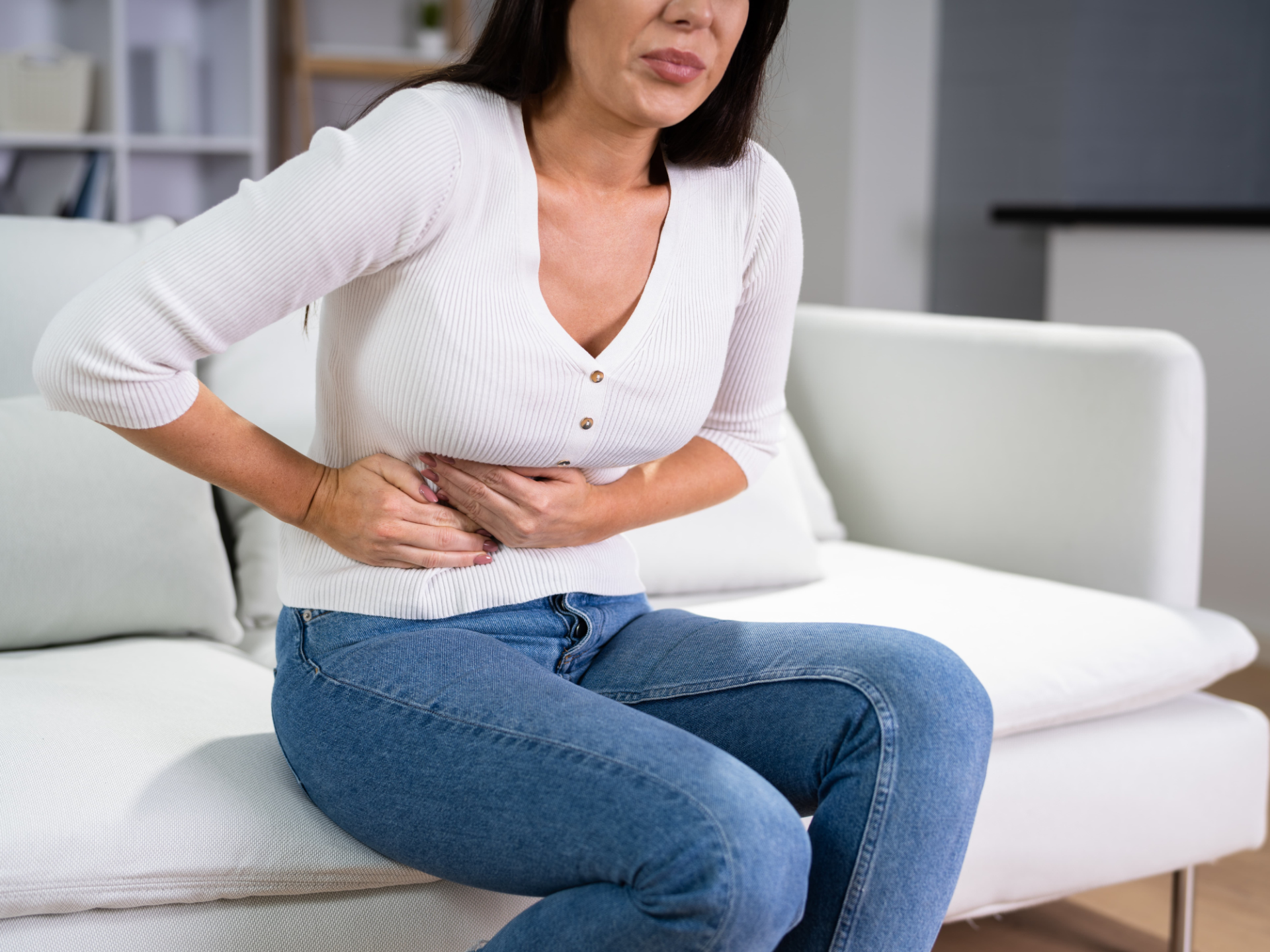
- Minimizing gastrointestinal and liver symptoms, such as bloating, diarrhea, and abdominal pain.
- Managing symptoms related to reduced liver function, particularly as PSC advances.
- Protecting bone health, which is often affected by vitamin D deficiency.
- Improving surgical readiness, recovery, and wound healing, which is especially important for those who need a liver transplant.

Nutrition for PSC without cirrhosis
For individuals with PSC who do not have cirrhosis, nutrition focuses on supporting long-term health, managing symptoms, and building habits that will continue to serve you as the disease evolves.
Diet pattern
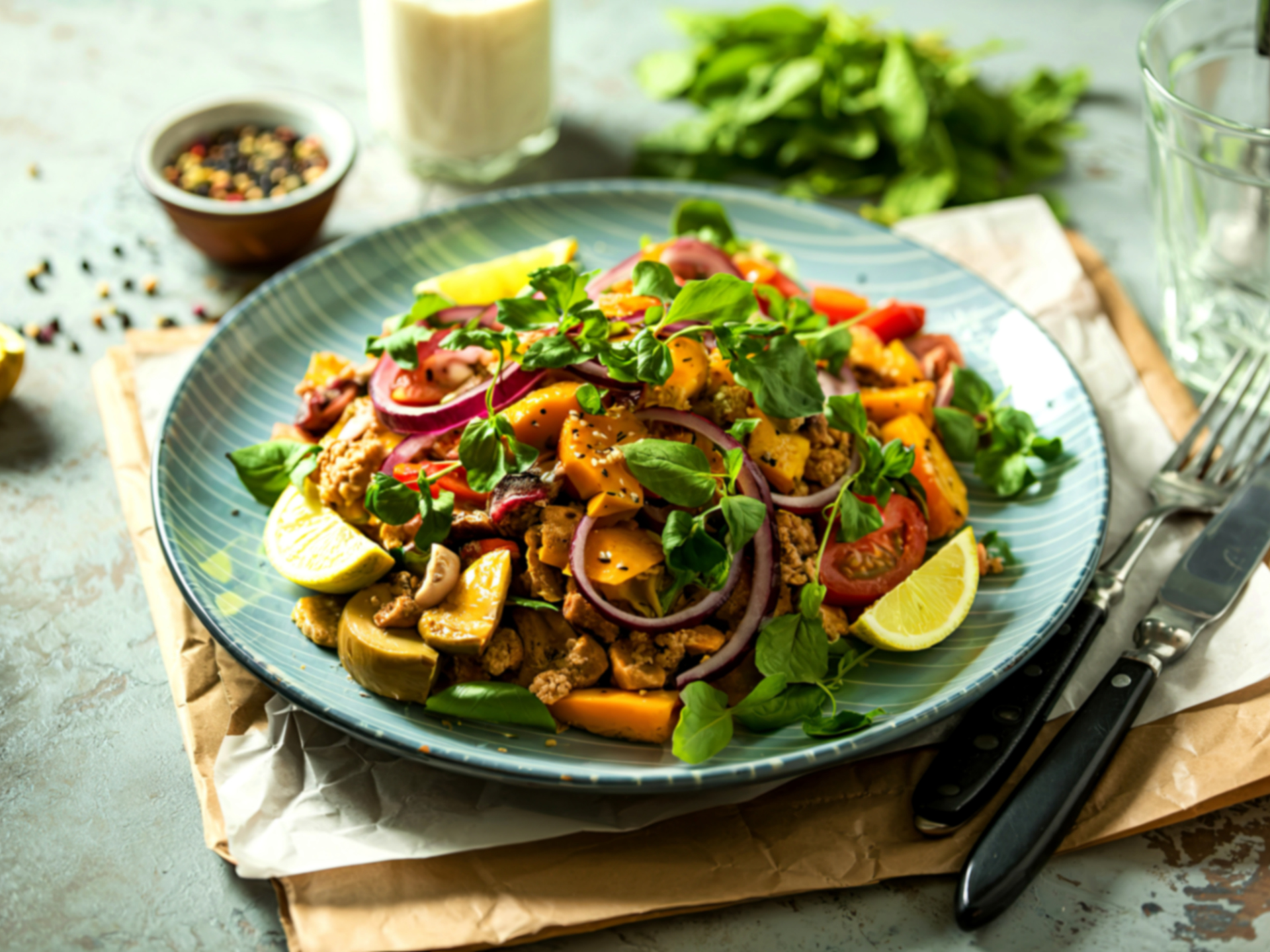
A Mediterranean style eating pattern offers broad health benefits including supporting overall gastrointestinal and liver health12. The Mediterranean style diet includes plenty of fruits and vegetables, whole grains, beans and legumes, nuts and seeds, olive oil as the primary fat, and frequent consumption of fish and seafood. It also includes moderate amounts of poultry, eggs, and dairy, while red and processed meats, added sugars, and highly processed foods are consumed less often.
Examples of some Mediterranean-style meals include:
- Oatmeal with nut butter, chia seeds, and pear slices
- Black bean tacos in a corn tortilla with guacamole, roasted zucchini, pico de gallo, cheese, and fresh cilantro
- Salmon with rice and roasted butternut squash
Although the diet is inspired by traditional foods eaten in countries bordering the Mediterranean Sea, any heritage diet that includes these foods would likely confer similar health benefits.
Plant- and dairy-based protein
It can be helpful to start adding more plant-based proteins—such as tofu, tempeh, beans, lentils, and peas—as well as dairy-based options like yogurt or cottage cheese while you have the energy and flexibility to explore new recipes. These protein sources are gentle on the liver and can play an important role if liver disease progresses, so getting comfortable using them now can make future eating feel more familiar and enjoyable. Building a small rotation of meals you already like can make nutrition feel easier over time.
Some meal ideas you might enjoy including:
- Tempeh tacos with tahini, taco seasonings, pickled carrots, and salsa
- Roasted butternut squash, cherry tomatoes, navy beans, and feta tossed with protein pasta
- Lentil-mushroom bolognese served over pasta or polenta
Food fears
Fear of foods is common among people with PSC, often driven by symptoms, misinformation, or conflicting advice. Unnecessary food restriction can increase the risk of malnutrition and worsen quality of life. If eating begins to feel stressful, confusing, or overly restrictive, working with a knowledgeable dietitian can help provide clarity and support.
Co-occurring IBD
For individuals with PSC and co-occurring IBD, nutrition can play a key role in managing symptoms such as urgency, bloating, gas, diarrhea, or constipation as well as inflammation. Because symptoms and tolerances vary widely, individualized nutrition guidance is often especially valuable.
Nutrition for PSC with cirrhosis
For individuals with PSC who have developed liver failure, nutrition becomes even more critical and often requires more intentional planning. The primary goals at this stage are to prevent weight loss, maintain muscle mass and strength, support liver function as much as possible, and reduce the risk of complications.
Preventing weight loss
Unintentional weight loss and malnutrition are associated with worse outcomes in liver disease. Eating enough calories throughout the day is essential to help preserve muscle mass and overall strength.
Protein needs
Protein needs typically increase in liver failure. Current evidence supports adequate protein intake, as protein restriction is no longer recommended for most individuals, even those at risk for hepatic encephalopathy. In fact, sufficient protein helps protect against muscle loss.
Plant and dairy-based protein options—such as tofu, tempeh, beans, lentils, yogurt, and cottage cheese—are often recommended to include frequently in your diet at this stage. Animal proteins (such as chicken, turkey, pork, or beef) may be included in smaller quantities as well. This is where it can be helpful to already have a plethora of go-to plant-based recipes to include in your diet, since making new recipes can be time consuming and tiring, and you may already be more fatigued at this stage.
Frequent meals and carbohydrates
In liver disease, the body’s ability to store glycogen, the storage form of carbohydrates, is reduced, meaning energy reserves are depleted more quickly. Eating regular meals and snacks throughout the day that include both carbohydrates and protein helps prevent muscle breakdown, supports more consistent energy levels, and reduces reliance on your body using its muscle mass for fuel.
Fermentable fiber
Fermentable fibers may be particularly beneficial in liver failure due to their role in supporting the gut–liver axis. These fibers, found in foods such as oats, beans, lentils, bananas, onions, and garlic, are broken down by gut bacteria into short-chain fatty acids (SCFAs). SCFAs help strengthen the gut lining, reduce inflammation, and may decrease absorption of toxins that place additional stress on the liver. Fermentable fibers may also help reduce the risk or severity of hepatic encephalopathy by lowering ammonia absorption in the gut.
Dietary fat
Fat malabsorption can occur in some people with PSC when changes in bile flow affect how fats are digested and absorbed. This may lead to changes in stool consistency, increased bowel movement urgency, bloating, or weight loss, and may impact upper right quadrant pain levels, though experiences vary widely and symptoms may come and go. Even if you don’t tolerate fatty foods, this does not mean fat needs to be avoided altogether. Fat is an essential nutrient for energy, nourishment, and vitamin absorption. When symptoms are present, try spacing fat intake across meals or exploring different fat sources to see whether these improve tolerance without unnecessary restriction. Because fat is also needed to absorb vitamins A, D, E, and K, ongoing symptoms should be discussed with a healthcare provider or dietitian to ensure nutritional needs are met in a way that supports both physical health and a positive relationship with food.
Sodium
Some individuals with advanced liver disease develop fluid retention, edema, or ascites, which may lead to recommendations to limit sodium intake. In general, home-cooked meals and whole foods tend to have less sodium whereas restaurant-bought food, frozen dinners, chips, and canned foods like soup or vegetables will have more sodium. Sodium needs should always be assessed on an individual basis with a healthcare provider. Over-restricting sodium without guidance can worsen appetite and increase the risk of malnutrition.
Bone health
Bone health is an important consideration for people with PSC, particularly for those with long-standing inflammation, vitamin D deficiency, steroid use, or co-occurring IBD. Supporting bone health with PSC involves ensuring adequate overall intake, monitoring relevant labs, getting DEXA scans regularly, and incorporating calcium- and vitamin D–containing foods or supplements, when medically needed. Gentle, joyful, weight-bearing movement, when accessible and safe, can also support bone strength.
Nutrient deficiencies
As liver function declines, nutrient deficiencies can become more common. Regular monitoring is especially important for vitamins A, D, E, and K, as well as minerals such as zinc. Supplementation should only be initiated under medical supervision, as fat-soluble vitamins may require specialized formulations, and taking fat soluble vitamins or minerals when you don’t need them can lead to toxicity symptoms or cause other mineral deficiencies.
Dietary supplements
If you are considering dietary supplements, it is important to consult your healthcare provider first. Research on supplements and PSC is limited, and supplement manufacturing is not regulated in the same way as medications. Some supplements and herbal products can be toxic to the liver, even if they are labeled as “natural” or “good for liver health”. Using supplements without guidance may increase the risk of liver injury or interfere with medical treatment.
Nutrition and liver transplantation
For some individuals with PSC, liver transplantation may be necessary. Nutrition plays a supportive role throughout this process, to help preserve energy, strength, and muscle mass, and help decrease the risk for post-operative complications. Adequate nutrition can support recovery, healing, and overall quality of life both before and after transplant.
Get nutrition support
Working with a dietitian who understands the complexity of PSC is an important part of comprehensive care. Your hepatologist or gastroenterologist can often recommend a registered dietitian with expertise in liver disease, transplantation, and PSC-IBD overlap, typically found in large medical centers or teaching hospitals. Not all dietitians or nutrition professionals have specialized training in PSC, and individualized guidance can make a meaningful difference in both short- and long-term outcomes.
Nutrition in PSC is not about following a perfect diet or controlling disease through food. Needs change over time, symptoms fluctuate, and what feels supportive at one stage may look different at another. Across all stages, the most consistent nutrition goals are to prevent malnutrition, preserve muscle and bone health, support energy, and maintain a healthy relationship with food. Individualized guidance—especially from clinicians familiar with PSC and IBD—can help ensure nutrition supports both physical health and emotional wellbeing.
Brittany Rogers, MS, RD/LDN, CSDH, CPT is a Registered Dietitian and founder of Romanwell, an insurance-based telehealth practice in New York dedicated to helping individuals with IBD and complex gastrointestinal and liver conditions, including PSC. Her approach is eating disorder–informed and weight-inclusive, integrating medical nutrition therapy with compassionate, patient-centered care. She serves on the National Scientific Advisory Committee for the Crohn’s & Colitis Foundation and has lived experience with both ulcerative colitis and PSC.
Footnotes
- Dietary Patterns and Their Association With Symptoms Activity in Inflammatory Bowel Diseases – PubMed
- Does the Mediterranean Diet Have Any Effect on Lipid Profile, Central Obesity and Liver Enzymes in Non-Alcoholic Fatty Liver Disease (NAFLD) Subjects? A Systematic Review and Meta-Analysis of Randomized Control Trials – PubMed