



By: Brittany Rogers, MS, RD/LDN, CSDH, CPT
When managing primary sclerosing cholangitis (PSC), it’s important to consider the impact of diet, gut bacteria and bile acids.
Purpose of bile acids
Bile acids help with the digestion of dietary fat and fat-soluble vitamins including vitamins A, D, E, and K. They can also affect the rate at which our stool travels through our intestines, the strength of our gut barrier, and can regulate inflammation.
Bile acid metabolism and gut bacteria
Primary bile acids are made in the liver and travel through the bile ducts into the intestines. About 95% are recycled back to the liver, while the remaining 5% move into the colon, where gut bacteria convert them into “secondary” bile acids. These secondary bile acids can be helpful or harmful depending on which types of bacteria are present. Some, like lithocholic acid and deoxycholic acid, can irritate cells and are linked to a higher risk of colon cancer if there’s too much of them. Others, like ursodeoxycholic acid, may have anti-inflammatory and protective effects.1
Research suggests that people with primary sclerosing cholangitis (PSC) tend to have higher levels of harmful bile acids. They also often have a less diverse gut microbiome, with fewer beneficial bacteria and more bacteria that can produce these irritating bile acids—even when compared to people with IBD alone.2
Types of bacteria and diet patterns
Some of the same types of bacteria found in higher amounts in people with PSC, especially Bacteroides, also tend to increase in people who eat a lot of animal protein or follow more of a “Western-style” eating pattern. This pattern is common in the United States and often includes more processed foods and fewer plant foods. A Western diet may contribute to a higher risk of health conditions, including IBD and potentially PSC.
A more Mediterranean-style eating pattern, which is mostly plant-forward, has been linked to a lower risk of many chronic diseases. It also supports a more diverse gut microbiome and encourages the growth of bacteria considered beneficial.3
Mediterranean-style eating typically includes:
- Foods rich in unsaturated fats (avocado, olive oil, nuts, fish)
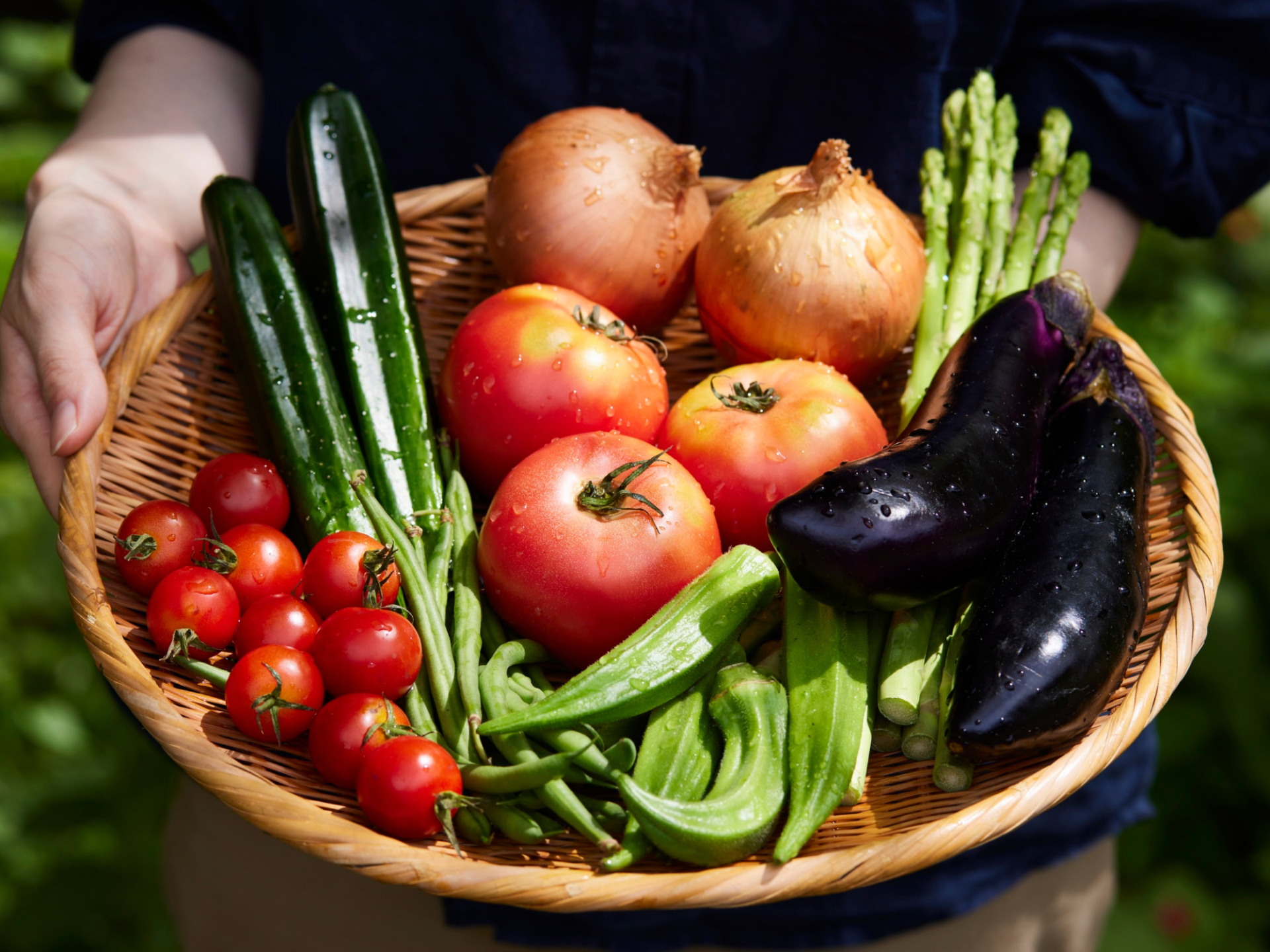
- Antioxidant-rich colorful fruits and vegetables
- Prebiotic and probiotic foods (bananas, legumes, yogurt, kefir, miso)
- Resistant starch (cooked/cooled rice and potatoes, legumes)
Although many factors influence gut bacteria, shifting eating patterns toward more plant-forward meals can support bacterial diversity and increase beneficial strains.
Key takeaways
- Include more plant-based proteins. Examples include legumes, certain grains, nuts, nut butters, seeds, seed butters, tofu, tempeh, and edamame. You don’t need to avoid animal-based proteins—try mixing in options like chicken, fish, turkey, yogurt, and plant-based choices throughout the week.
- Consume monounsaturated and polyunsaturated fats, found in foods like avocado, salmon, olive oil, nuts, and seeds.
Enjoy a wide variety of colorful fruits, vegetables, and legumes to boost fiber and antioxidant intake. - Pair prebiotics and probiotics when possible—for example, yogurt with a banana makes a great gut-friendly snack
Always talk to your healthcare provider for recommendations on the specifics of your diet.
Brittany Rogers, MS, RD/LDN, CSDH, CPT is a Registered Dietitian and founder of Romanwell, an insurance-based telehealth practice in New York dedicated to helping individuals with IBD and complex gastrointestinal and liver conditions, including PSC. Her approach is eating disorder–informed and weight-inclusive, integrating medical nutrition therapy with compassionate, patient-centered care. She serves on the National Scientific Advisory Committee for the Crohn’s & Colitis Foundation and has lived experience with both ulcerative colitis and PSC.
Footnotes
- Gérard P. Metabolism of cholesterol and bile acids by the gut bacteria. Pathogens. 2014; 3(1):14-24. doi: 3390/pathogens3010014.
- Torres, J., Palmela, C., Brito, H., et al. The gut microbiota, bile acids and their correlation in primary sclerosing cholangitis associated with inflammatory bowel disease. United European Gastroenterol J. 2018; 6(1): 112-122. doi: 1177/2050640617708953
- Singh, R.K., Chang, HW., Yan, D., et al. Influence of diet on the gut microbiome and implications for human health. J Transl Med. 2017; 15:73. doi: 1186/s12967-017-1175-y.