




By: Brittany Rogers, MS, RD/LDN, CSDH, CPT
If you have primary sclerosing cholangitis (PSC) and are experiencing ascites (fluid buildup in the abdomen) or edema (swelling in the legs) related to liver failure, your healthcare team may recommend lowering your sodium intake. Before making any dietary changes, check with your healthcare provider to be sure a low-sodium plan is right for you. Once you have their guidance, these four steps can help you successfully reduce your sodium intake.
Steps to reduce your sodium intake
1. Choose whole foods
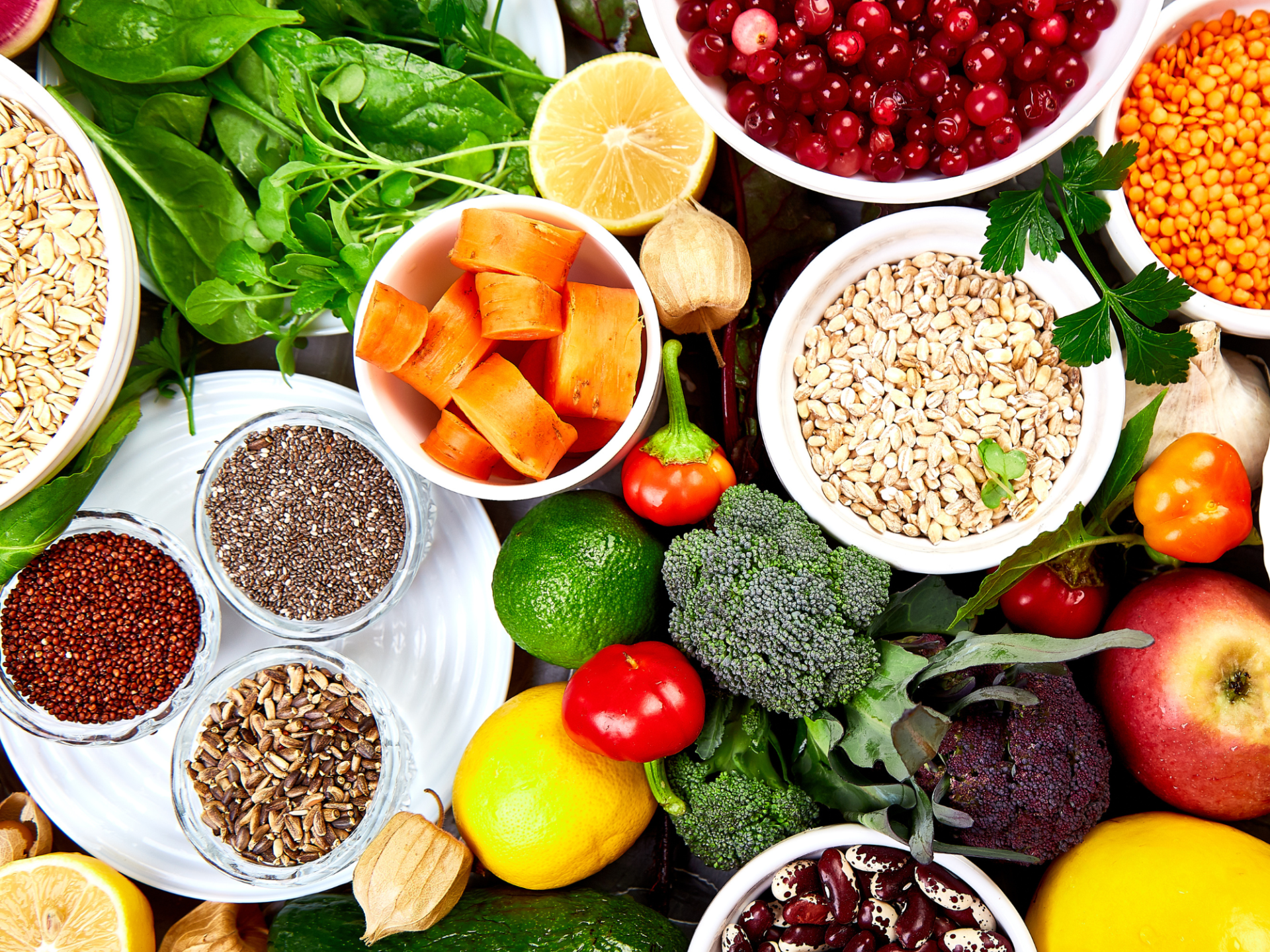
Whole foods—such as fresh produce, whole grains, and legumes—naturally contain less sodium than processed items. Accessing fresh foods can sometimes be difficult due to cost or availability, but there are more budget-friendly options:
- Buy fruits and vegetables when they’re in season, as prices are typically lower.
- Some grocery stores allow price matching if you find lower prices elsewhere.
- Farmers markets may offer seasonal produce at reduced prices.
- Frozen fruits and vegetables are affordable and usually sodium-free—just double-check the nutrition label to confirm there’s no added salt.
2. Flavour in alternative ways
Boost flavor without relying on salt by experimenting with herbs, spices, and citrus. For example, sauté mushrooms with olive oil, fresh garlic, and thyme, or marinate chicken with lemon, onions, and rosemary.
3. Review the sodium content
While it’s not helpful to fixate on nutrition labels, there may be times when looking at sodium can support your medical needs. If your doctor has given you a general sodium guideline—such as aiming for around 2,000 mg per day—you can use the label simply as one piece of information to help you choose options that feel satisfying, supportive, and realistic for you. The goal isn’t perfection, just finding foods that meet your needs without increasing stress or rigidity around eating.
4. Plan ahead to support your sodium goals
Restaurant and fast-food meals can be higher in sodium, so planning ahead can help you meet your sodium needs without feeling limited. Packing leftovers from home or choosing lower-sodium options—like yogurt or fruit—from a grocery store when you’re on the go can make it easier to stay nourished and still support your health goals.

High sodium foods with low sodium alternatives
The list below summarizes foods which are high in sodium and alternatives to those high sodium containing foods.
| High sodium food | Lower sodium alternative |
| Canned fruits and vegetables | In-season fresh fruits and vegetables, frozen fruits and vegetables |
| Canned soups | Low-sodium soups, homemade soups |
| Canned beans | Low sodium canned beans (drained & rinsed), dried beans |
| Deli meats | Oven-roasted turkey, chicken breast, tuna fish |
| Salted nuts | Unsalted nuts |
| Frozen pre-made meals/dinners | Home-cooked dinners, low sodium pre-made dinners |
| Processed cheese (such as American cheese or cheese spreads) | Mozzarella, Swiss cheese, or smaller portions of American cheese |
| Cold breakfast cereals or other processed breakfast foods (such as pancake mixes) | Hot breakfast cereals (i.e. oatmeal), lower sodium cold cereals |
| Condiments (such as soy sauce or marinated products) | Lower sodium options, or cook with fresh herbs, spices, and lemon or limes |
| Store bought pasta sauce | Homemade pasta sauce, lower sodium pasta sauce |
Starting a low-sodium diet can feel like a big change, but it gets more manageable with practice. If this list feels like a lot, begin with one strategy that feels doable and build from there. Every small step you take counts and can make a meaningful difference in your health.
NOTE: Always speak with your healthcare provider before beginning a new diet to make sure that the change is appropriate for your medical condition and treatment.
Brittany Rogers, MS, RD/LDN, CSDH, CPT is a Registered Dietitian and founder of Romanwell, an insurance-based telehealth practice in New York dedicated to helping individuals with IBD and complex gastrointestinal and liver conditions, including PSC. Her approach is eating disorder–informed and weight-inclusive, integrating medical nutrition therapy with compassionate, patient-centered care. She serves on the National Scientific Advisory Committee for the Crohn’s & Colitis Foundation and has lived experience with both ulcerative colitis and PSC.